
Businesses that want to grow in specific geographic areas must implement effective local SEO strategies. Modern search engines rely heavily on location-based data to deliver relevant local results to users.
When consumers need immediate solutions near them, they use Google Search and Google Maps to discover nearby businesses, compare ratings, check operating hours, and find physical directions. A strong online presence helps local service providers and brick-and-mortar stores capture high-intent customers who are ready to make a purchase.
This local SEO guide explores the foundational concepts, key benefits, core tactics, critical tools, and actionable steps needed to outrank local competitors.
What Is Local SEO?
Local search engine optimization is the specialized practice of optimizing a business website and online profiles to increase visibility in location-based search queries. Traditional organic optimization focuses on global or national visibility regardless of location. In contrast, local optimization targets specific geographic areas such as cities, towns, or postal codes.
Search engines evaluate local queries using three primary ranking factors:
- Relevance: How closely a local business listing or website page matches the specific search term entered by a user.
- Distance: The physical distance between the searcher or implied location and the potential business location.
- Prominence: How well-known, trusted, and authoritative a local business appears across the web based on reviews, citations, and backlinks.
When users search for services with local intent, search engines usually display a localized result layout. This layout prominently features the Google Local Pack, also known as the Map Pack. The Map Pack highlights the top three local business listings along with an interactive map, star ratings, address details, and direct contact options. Appearing in these top map positions provides immediate exposure and drives direct customer action.
Benefits of Local SEO Strategies
Implementing structured local SEO strategies provides measurable growth opportunities for companies targeting nearby customers. A well-optimized presence turns digital search traffic into physical store visits, phone inquiries, and long-term customer loyalty.
Increases Local Search Visibility
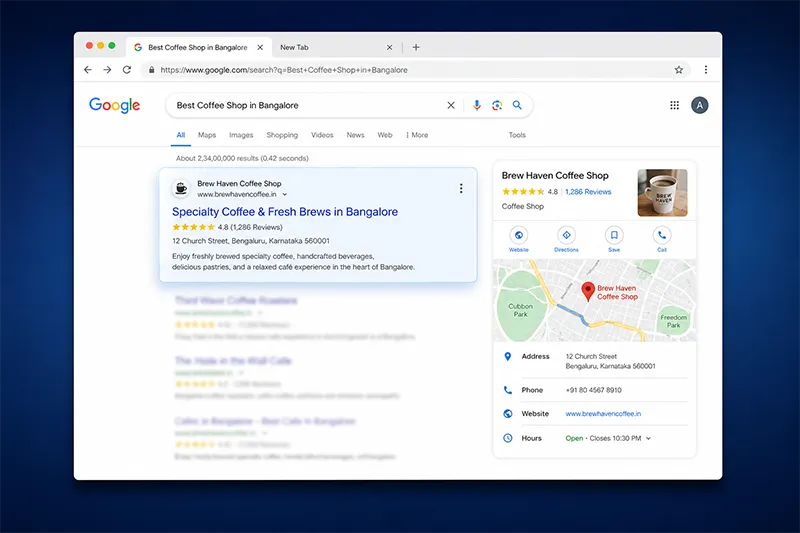
Appearing at the top of location-based search results puts your brand directly in front of buyers in your primary service areas. When prospective clients search for products near them, localized optimization ensures your business listing surfaces in both standard organic results and map overlays. Increased search exposure keeps your company top of mind whenever local demand spikes.
Helps Attract Nearby Customers
Local queries carry exceptionally high purchasing intent. People searching for a local professional or store usually intend to visit or contact a vendor quickly. By optimizing your digital presence for local intent, you connect with users at the exact moment they are looking to buy, which leads to significantly higher conversion rates compared to generic broad queries.
Drives More Website Traffic
Top search rankings in your geographic region channel consistent, high-quality organic traffic to your website. Local shoppers who want detailed service descriptions, pricing information, or portfolio examples will click through from your search listings. Directing localized searchers to optimized service pages increases engagement and lowers website bounce rates.
Generates Calls, Enquiries, and Store Visits
Optimized business listings make direct engagement effortless for prospective buyers. Features embedded in modern search engine interfaces allow users to call your office, request driving directions, book an appointment, or message your team directly from the search page. Convenient interaction options convert casual searchers into phone inquiries and foot traffic.
Builds Trust and Credibility
Consumers rely heavily on online reviews, clear business details, professional photos, and active business profiles when choosing a local service provider. Consistently maintaining accurate operating hours, direct contact details, and positive customer feedback builds strong brand confidence. A complete and professional online presence signals reliability to both search engines and potential buyers.
Improves Visibility on Google Maps
Google Maps is a primary discovery tool for consumers looking for nearby restaurants, medical practices, retail stores, and home services. High map rankings ensure that your business pin appears clearly when users navigate their local neighborhood on mobile devices or desktop browsers. Dominating map searches captures commuters and mobile users who need immediate local solutions.
Helps Small Businesses Compete Locally
Small and mid-sized enterprises often struggle to compete against massive national corporations in broad organic search categories. Local search levels the playing field by prioritizing geographic proximity and local customer satisfaction over massive corporate marketing budgets. A highly optimized local presence allows independent businesses to capture dominant market share within their immediate community.
Supports Long-Term Organic Growth
Building strong local search authority creates a sustainable source of continuous business leads. Unlike paid advertising campaigns that stop generating leads the moment your budget ends, organic local optimization builds compounding digital assets. Accurate directory profiles, strong review profiles, and authoritative local backlinks continue driving qualified customer traffic for years to come.
Local SEO Tactics to Improve Your Search Rankings
Executing a successful campaign requires a multi-layered local SEO strategy that addresses profile management, technical website optimization, review acquisition, link building, and local content creation. Use this comprehensive local SEO checklist to execute every tactic systematically.
1. Google Business Profile (GBP) Core Setup
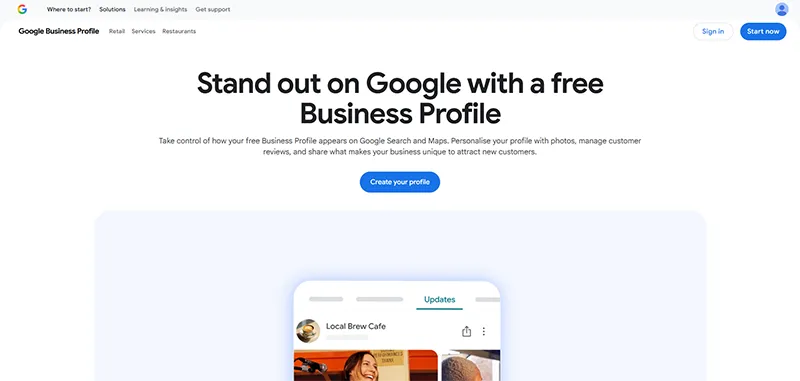
Your Google Business Profile serves as the primary engine for your local map rankings and Map Pack inclusion. Proper setup establishes your digital identity across Google Maps and local search results.
- Primary Category Precision: Select the most specific primary category available rather than a broad classification to maximize Map Pack relevance.
- Secondary Category Layering: Add up to nine secondary categories to capture adjacent service searches without diluting your core focus.
- Title Integrity: Maintain absolute legal business name accuracy without appending promotional keywords or city names to prevent profile suspensions.
- Attribute Optimization: Complete every applicable profile attribute including accessibility details, service options, and business ownership identifiers.
2. GBP Active Engagement & Content Publishing
Setting up your profile is only the first step. Active management signals to search algorithms that your business is open, operational, and committed to customer service.
- Google Posts: Publish weekly updates, promotional offers, and company announcements featuring local keywords and clear action buttons.
- Q&A Seeding: Populate your profile’s Q&A module with detailed answers to frequently asked customer questions to assist prospective buyers.
- Geo-Tagged Photo Uploads: Consistently upload authentic photos of your store, completed work projects, and team members to demonstrate ongoing activity.
- Product and Service Catalogs: Build detailed service lists and product catalogs within your profile that link directly to specific landing pages.
3. On-Page Local Content & URL Architecture
Your website architecture must clearly communicate your physical location and coverage areas to search engine crawlers.
- Location URL Structure: Construct individual landing pages for every distinct city, neighborhood, or service region you operate in.
- Localized On-Page Metadata: Incorporate geographic modifiers into title tags, main headings, meta descriptions, and image alt text across your location pages.
- Hyper-Local Content: Write original landing page content that details local projects, mentions nearby landmarks, and addresses community needs.
- Embedded Directions: Place interactive Google Maps embeds on your location pages featuring custom driving directions to your office.
4. Technical Local & Structured Data (Schema)
Technical optimization helps search engine bots crawl, parse, and understand your physical business details without ambiguity.
- Advanced LocalBusiness Schema: Implement JSON-LD structured data code that explicitly defines your business name, street address, phone number, opening hours, and geographic coordinates.
- Multi-Location Schema Mapping: Assign dedicated, location-specific schema markups to individual landing pages for multi-branch organizations.
- Mobile Core Web Vitals: Optimize web pages to load in under two seconds on mobile networks to satisfy fast-moving local searchers.
5. Local Citations & NAP Consistency (Core Authority Pillar)
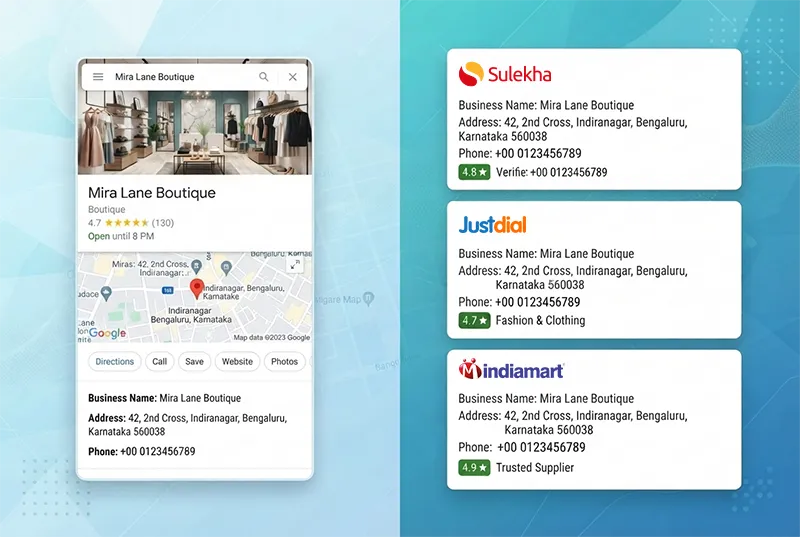
Consistent online business references validate your physical address and business legitimacy across the broader digital ecosystem.
- Structured Local Citations: Claim and verify business profile listings on major web directories including Yelp, YellowPages, Bing Places, Apple Maps, and Facebook.
- Primary Data Aggregator Distribution: Submit verified business records to major data aggregators like Data Axle, Foursquare, and Neustar Localeze.
- Character-for-Character NAP Consistency: Ensure your business name, street address, and phone number match identically across every online directory without formatting discrepancies.
- Unstructured Local Citations: Earn non-directory mentions of your contact details on regional news websites, local blogs, and community event listings.
- Citation Audit & Cleanup: Audit online directories regularly to identify, claim, update, or remove conflicting historic business information.
6. Review Engineering & Reputation Management
Customer reviews represent one of the most powerful ranking factors for local map algorithms while directly influencing buyer decisions.
- Automated Review Requests: Send automated SMS or email review invitations to clients immediately after completing a purchase or service.
- Keyword-Rich Review Prompts: Encourage satisfied customers to mention the specific service they received and their neighborhood in their written feedback.
- 100% Response Strategy: Post professional responses to every positive and negative review within 48 hours to demonstrate active customer support.
- Multi-Platform Distribution: Direct a portion of your review generation efforts toward industry-specific platforms like Houzz, Angi, or TripAdvisor.
7. Hyper-Local Link Building
Backlinks from authoritative local organizations tell search algorithms that your business is deeply integrated into the local community.
- Sponsorship Links: Sponsor local youth sports teams, community events, and non-profit charities to earn valuable local backlinks.
- Chamber of Commerce Listings: Join regional business groups and local Chambers of Commerce to acquire high-trust directory links.
- Digital PR Campaigns: Pitch compelling community news stories, local economic data, or charitable efforts to neighborhood news outlets.
- B2B Cross-Promotions: Partner with complementary, non-competing local merchants to create partner resource pages and cross-link websites.
8. Behavioral & Conversion Signal Tuning
Search engines track how users interact with your business listings to evaluate user satisfaction and real-world popularity.
- Map Pack CTR Optimization: Use compelling GBP descriptions, star rating badges, and rich snippet features to capture user clicks in competitive map results.
- Mobile Call Drivers: Position tap-to-call buttons prominently at the top of mobile landing pages to make direct dialing fast and easy.
- Driving Directions Clicks: Add clear call-to-action prompts on your site that encourage visitors to open driving directions in Google Maps.
9. Voice Search & Conversational Local SEO
The rise of voice-activated assistants changes how consumers ask for nearby business recommendations on mobile devices and smart speakers.
- Long-Tail Question Targeting: Incorporate natural, conversational phrasing into your web content to capture spoken queries like “Where can I find an open store near me?”
- FAQ Schema Markup: Implement FAQ structured data markup on key service pages so search engines can pull direct voice answers.
10. Map Pack Spam Mitigation & Auditing
Competitors sometimes use fraudulent optimization techniques to gain unfair ranking advantages in local map results.
- Redressal Complaints: Audit competitive map pack listings and submit official Google Business Profile Redressal forms against spam profiles using fake names or addresses.
- Geo-Grid Ranking Tracking: Track your local rank positions mile-by-mile using visual geo-grid tracking tools to pinpoint areas needing stronger local authority.
Common Local SEO Mistakes to Avoid
Even well-intentioned digital marketing campaigns can fail if they incorporate risky or outdated optimization practices. Avoiding these frequent mistakes will protect your brand reputation and prevent search engine penalties. Refer to these practical local SEO tips to keep your campaign clean and compliant.
Keyword Stuffing
Unnaturally inserting city names, zip codes, and repetitive service terms into your website text ruins readability and creates a poor user experience. Modern search algorithms easily recognize semantic context without artificial repetition. Write natural, helpful copy for human readers while incorporating local terms smoothly into main headings and metadata.
Creating Duplicate Location Pages
Publishing hundreds of nearly identical location landing pages that only swap out city names is a major quality violation. Search engines view thin, templated location pages as low-value duplicate content. Every location page on your site must provide unique text, authentic team details, real project photos, local customer reviews, and specific location maps.
Using an Incorrect Google Business Profile Category
Selecting an inaccurate or overly broad primary category on your business profile weakens your relevance for core service searches. For instance, classifying a specialized roofing firm as a generic contractor reduces your chances of ranking in specific roofing searches. Carefully research top-ranking local competitors to select the primary category that mirrors your primary revenue source.
Inconsistent Business Information
Listing conflicting phone numbers, legacy physical addresses, or inconsistent business titles across directory profiles creates confusion for both search engines and human users. Discrepancies in your business details erode algorithmic trust and lower your local ranking potential. Perform regular audits to keep your contact details identical across every web profile.
Buying Fake Reviews
Purchasing artificial 5-star reviews from online networks violates search engine guidelines and consumer protection laws. Search algorithms actively detect unusual review spikes, suspicious reviewer accounts, and inorganic language patterns. Fake review profiles face severe algorithmic demotions, profile suspensions, and permanent damage to customer trust. Focus on implementing authentic review request workflows instead.
Ignoring Negative Reviews
Failing to respond to critical or unsatisfied customer feedback signals poor business management to potential buyers. Unaddressed complaints can turn away prospective clients who evaluate your business reputation online. Always reply professionally to negative feedback, acknowledge customer frustration, and offer a offline channel to resolve the issue constructively.
Focusing Only on Rankings
Positioning rankings as your sole success metric distracts from true business growth. Reaching the top ranking spot for a keyword provides little value if those visitors fail to call your office, request a quote, or visit your store. Track meaningful business metrics such as incoming phone calls, map direction requests, contact form submissions, and revenue generated from local search traffic.
Local SEO Tools You Can Use
Executing successful local SEO best practices requires leveraging dedicated software platforms to analyze keyword demand, audit citations, track map positions, and measure performance.
Google Business Profile
Google Business Profile is the official management portal for updating your business details across Google Maps and Search. The platform provides direct tools for editing contact information, posting updates, uploading media, managing customer reviews, and tracking engagement analytics like call volume and direction requests.
Google Search Console
Google Search Console offers essential performance data regarding how your site appears in organic search engine results. Use this tool to monitor index coverage, submit sitemaps, inspect URL health, identify technical errors, and discover the exact local search terms driving organic clicks to your landing pages.
Google Analytics
Google Analytics tracks visitor behavior, traffic sources, and user conversions once searchers arrive on your website. Setting up custom location segments helps analyze how visitors from specific geographic regions navigate your site, engage with your content, and complete lead conversion actions.
Google PageSpeed Insights
Google PageSpeed Insights evaluates web page load performance across mobile and desktop devices. The tool provides actionable technical suggestions to improve page loading speeds, reduce layout shifts, and optimize Core Web Vitals to satisfy fast-paced mobile searchers.
Google Keyword Planner
Google Keyword Planner assists with researching search volume and competition metrics for location-specific search terms. This free research tool helps identify high-intent local keywords, regional phrasing trends, and estimated monthly search activity across your targeted service territories.
Ahrefs
Ahrefs is an advanced digital marketing suite used for comprehensive competitor research, backlink analysis, and keyword discovery. Local marketers use Ahrefs to audit competitor backlink profiles, track regional organic rankings, and discover hyper-local link opportunities within specific communities.
Semrush
Semrush provides a full suite of search marketing capabilities, including specialized local listing management and rank tracking tools. The platform helps manage business directory distributions, monitor local grid rankings, audit technical site errors, and perform competitive content gap analysis.
Moz
Moz offers dedicated local optimization tools designed to streamline citation distribution, directory auditing, and review monitoring. Their suite helps businesses identify duplicate directory profiles, fix inconsistent contact records across major data aggregators, and manage brand reputation effectively.
Summary of Local SEO Strategies
Dominating location-based search requires an ongoing commitment to optimizing your digital presence. Developing strong local SEO strategies ensures that your business stays visible whenever nearby customers search for your core services.
By combining precise profile management, technical site optimization, consistent citation audits, authentic customer review generation, and hyper-local link building, your organization can build a dominant online presence.
Focus on delivering accurate business information and outstanding real-world customer experiences to turn search engine visibility into long-term revenue growth.
Looking to Dominate Local Search in Your Area?
Local SEO helps your business improve its visibility in location-based searches and connect with customers who are actively looking for your products or services. Apex SEO offers local SEO services in Bangalore to help businesses improve their local search presence, attract relevant traffic, and generate more enquiries. Contact us today to discuss your Local SEO requirements and improve your visibility in Bangalore search results.
FAQs About Local SEO
Get clear answers to the most common questions business owners ask about improving their local search rankings and digital visibility.
How long does local SEO take to show results?
Results can take several weeks or months to become noticeable, depending on factors such as local competition, website authority, Google Business Profile optimization, reviews, content, citations, and backlinks. Consistent optimization and regular monitoring are important because improving local search visibility is an ongoing process rather than a one-time activity.
Why is local SEO important for small businesses?
It helps small businesses appear when potential customers search for relevant products or services in their target areas. It can improve visibility in Google Search and Google Maps, attract relevant local traffic, and generate more calls, enquiries, bookings, and visits from customers who are actively looking for nearby businesses.
How to improve Google Maps ranking?
To improve Google Maps visibility, optimize your Google Business Profile with accurate business information, relevant categories, services, photos, and regular updates. Encourage genuine customer reviews, maintain consistent business information across online platforms, create useful location-focused content on your website, and earn relevant local backlinks. These combined efforts can strengthen your presence in local search results.
Can local SEO help a business that does not have a physical store?
Yes, it can help service-area businesses reach customers in the locations they serve, even when they do not operate from a customer-facing storefront. Businesses can optimize their website and eligible Google Business Profile around their service areas while providing clear information about the locations and services they cover.
